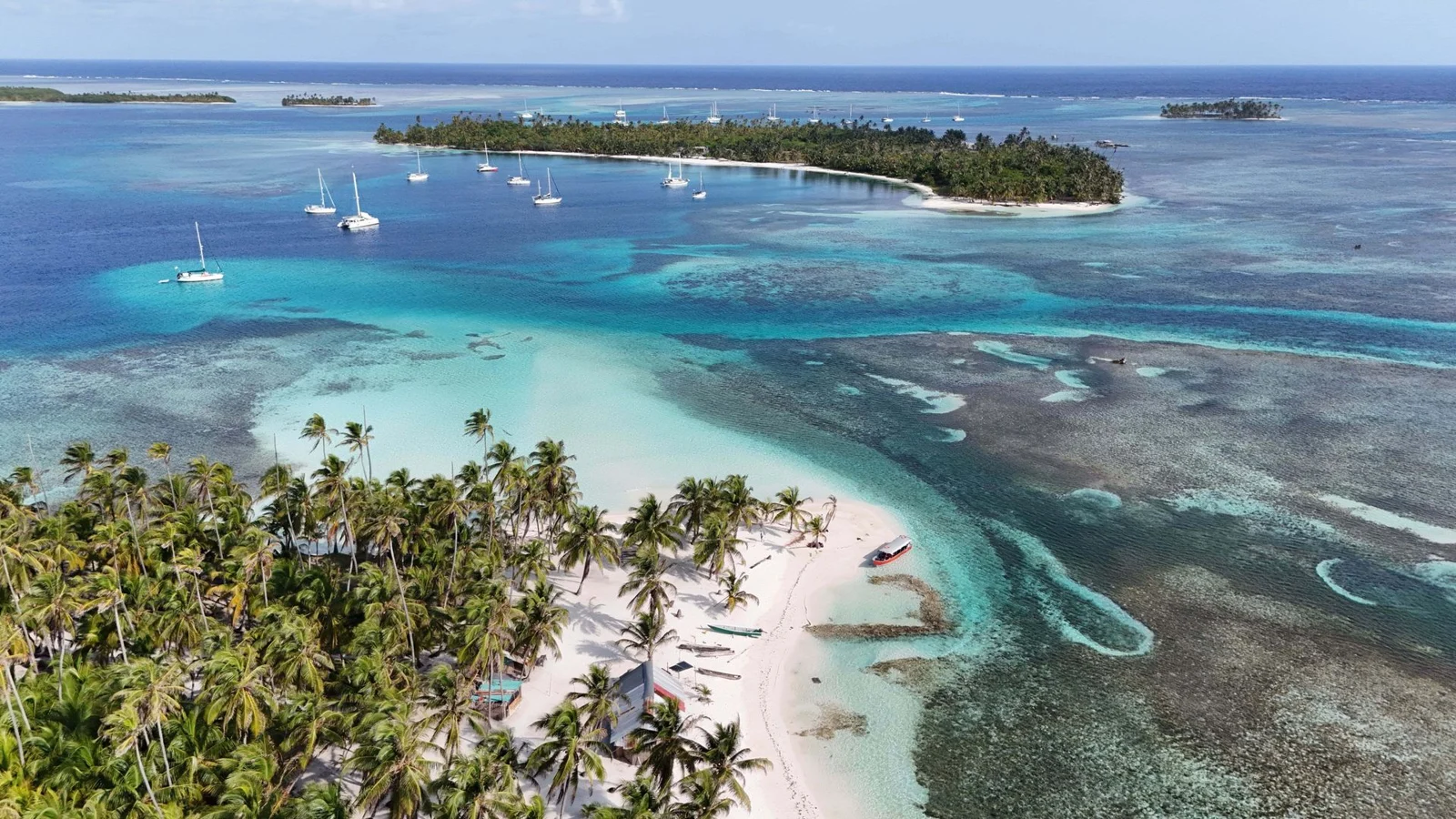
When planning your trip to San Blas from Panama City, you're probably dreaming about pristine beaches and turquoise waters. Yet, San Blas offers travelers more than just natural beauty. One of the most remarkable aspects of this destination is the unique Kuna Yala culture (also called Guna Yala), preserved by an indigenous community who have inhabited these stunning islands for generations.
As visitors to this beautiful island paradise, understanding Kuna Yala culture and etiquette ensures a deeply rewarding experience—and helps preserve the traditions of the local community. Here's a practical introduction to Kuna Yala traditions, governance, etiquette, and key insights before visiting San Blas Islands.
Who Are the Kuna Yala (Guna Yala)?
Brief History of Kuna Yala Culture
The Kuna Yala people originated from lands now part of Colombia and mainland Panama before settling permanently along Panama's Caribbean coast and the San Blas Islands. They migrated in the mid-1800s due to colonial pressures and conflicts, establishing their unique cultural heritage on the islands.
The Kuna Revolution in 1925 was pivotal for preserving Kuna Yala culture. During this time, local communities successfully resisted the Panamanian government's attempts to suppress their language and customs. This event empowered the Kuna to maintain cultural identity and autonomy, clearly visible today during respectful village visits.
Why the Name Kuna Yala Changed to Guna Yala
Outside sources initially referred to this community as "Kuna," but the term "Guna" aligns better with pronunciation in the indigenous language, Dulegaya. In 2010, at the request of the community, Panama officially adopted the term "Guna Yala."
When traveling to the region, it demonstrates cultural respect to use "Guna Yala," though "Kuna Yala" still appears commonly in conversation and informal contexts.
How Is Kuna Yala Culture Governed?
Traditional Autonomy and the Kuna Congress
Visitors rapidly notice Kuna Yala is different from other Panama areas. Guna Yala received semi-autonomous status after their successful 1925 uprising, maintaining independent governance guided by their traditional Kuna Congress. Local village leaders or "sahilas" meet regularly, protecting Kuna Yala culture, traditions, and environment.
Travelers should respect the Kuna Congress regulations and local rules on tourism, conduct, and environmental sustainability.
Local Rules in Kuna Yala for Tourists
Respecting rules helps preserve community harmony:
- Alcohol consumption is typically restricted on inhabited islands to respect local customs.
- Visitors should enter villages with approved guides and respect marked signs.
- Ask permission before accessing residential or private community spaces.
- Dispose of waste responsibly and respect environmental guidelines.
Kuna Yala Culture: Experiences for Travelers
Visiting Kuna Villages in San Blas Islands
Experiencing local life respectfully is a highlight of any San Blas tour. Village visits, arranged through responsible operators, offer authentic interactions. On my own San Blas journey, Guna hosts gently briefed our group about village etiquette before taking us through traditional arts, demonstrations, and community interactions.
At Sea San Blas, the Pelicano Island Day Trip incorporates respectful and authentic Kuna village visits, providing travelers responsible interactions with Kuna Yala culture.
Mola Art: Supporting Kuna Artisans
You'll immediately notice the vibrant handmade textiles known as molas, carefully crafted by Kuna women using cultural patterns showcasing nature and spirituality. Directly buying molas or bead jewelry supports Kuna Yala artisans and contributes meaningfully to the local economy.
Traditional Food, Dance, and Music in San Blas Islands
Traditional Kuna Yala cuisine like "Dule Masi" (seafood, coconut milk, and cassava stew) offers travelers authentic tastes of local culture. Musical and dance traditions narrated through rhythmic chants and movements represent Guna Yala's rich storytelling heritage, often shared during village celebrations or special cultural events.
What to Expect When Visiting San Blas Islands
Photography Etiquette in the Guna Yala Community
Always respectfully ask permission before photographing residents or private properties. Some locals might request a small fee as per local customs. Communicating clearly strengthens relationships and respects Kuna culture.
Buying Local Crafts in Kuna Yala
Support Guna craftsmen directly—purchase souvenirs like molas or jewelry from artisans rather than intermediaries. This thoughtful act promotes direct economic support for Kuna artisans and cultural preservation.
Respectful Traveler Etiquette in Kuna Yala San Blas
Important Dos:
- Always follow local customs and guidelines.
- Respect community spaces, boundaries, and guidelines.
- Buy crafts directly from local artisans.
- Properly manage waste and respect the environment.
Important Don'ts:
- Avoid entering private areas without explicit permission.
- Avoid alcohol consumption unless clearly permitted.
- Respect people as individuals, not tourist attractions.
Ready to Explore Kuna Yala Culture Respectfully?
Whether choosing our Pelicano Island Day Trip or overnight stays on Aroma or Aguja islands, Sea San Blas expertly designs adventures connecting travelers authentically and respectfully to Kuna Yala culture. Plan your meaningful San Blas experience today and discover paradise while contributing positively to the Guna Yala community.
Frequently Asked Questions About Kuna Yala Culture in San Blas
Can I Visit Kuna Villages in San Blas Islands?
Yes, you can. Always visit villages with respectful, authorized tour operators who maintain longstanding community relationships.
What Language Do the Kuna Yala People Speak?
They speak Dulegaya (Guna language), although Spanish (and sometimes English) is often used, especially by younger residents in tourism. Learning simple greetings like "na" (hello) enriches your visit.
Can I Take Photos of Kuna Yala People?
Usually, yes, but always seek explicit permission beforehand. Be aware some locals request a small fee; this is a customary practice in San Blas.
Bruno Perez has called Panama home for the past four years. After traveling across the Caribbean, Central and South America, and Europe, he found a place that made him want to stay. Panama’s people, culture and food first drew him in, but the San Blas Islands left the deepest impression. His connection to the islands has grown into a lasting appreciation for the communities whose traditions and daily lives make this part of the world so special.
As a travel writer and editor at Sea San Blas, Bruno brings firsthand experience, local knowledge and a traveler’s curiosity to every guide he writes. He understands the questions visitors arrive with because he once asked many of them himself. His goal is to offer honest, practical advice while sharing the people and culture behind the destination. A valued member of the team, Bruno is committed to supporting the island communities through writing that encourages travelers to arrive prepared, visit respectfully and discover San Blas beyond the postcard.